

Rockstar Lead Respects Larian For Turning Away From Baldur’s Gate Because It’s Easier To Just Copy One’s Biggest Success
Jack Coleman (He/Him) is a News Editor from Ireland. This is his third full year in games media, having previously worked freelance for various outlets, including DualShockers and NME.
Previously, he’s interviewed breakout indie developers, broken big news stories, reviewed massive releases and recounted his time living as a humble woodsman in Oblivion.
A lifelong gamer, Jack is primarily interested in RPGs and narrative experiences. He’s also been playing League of Legends for a decade, unfortunately.
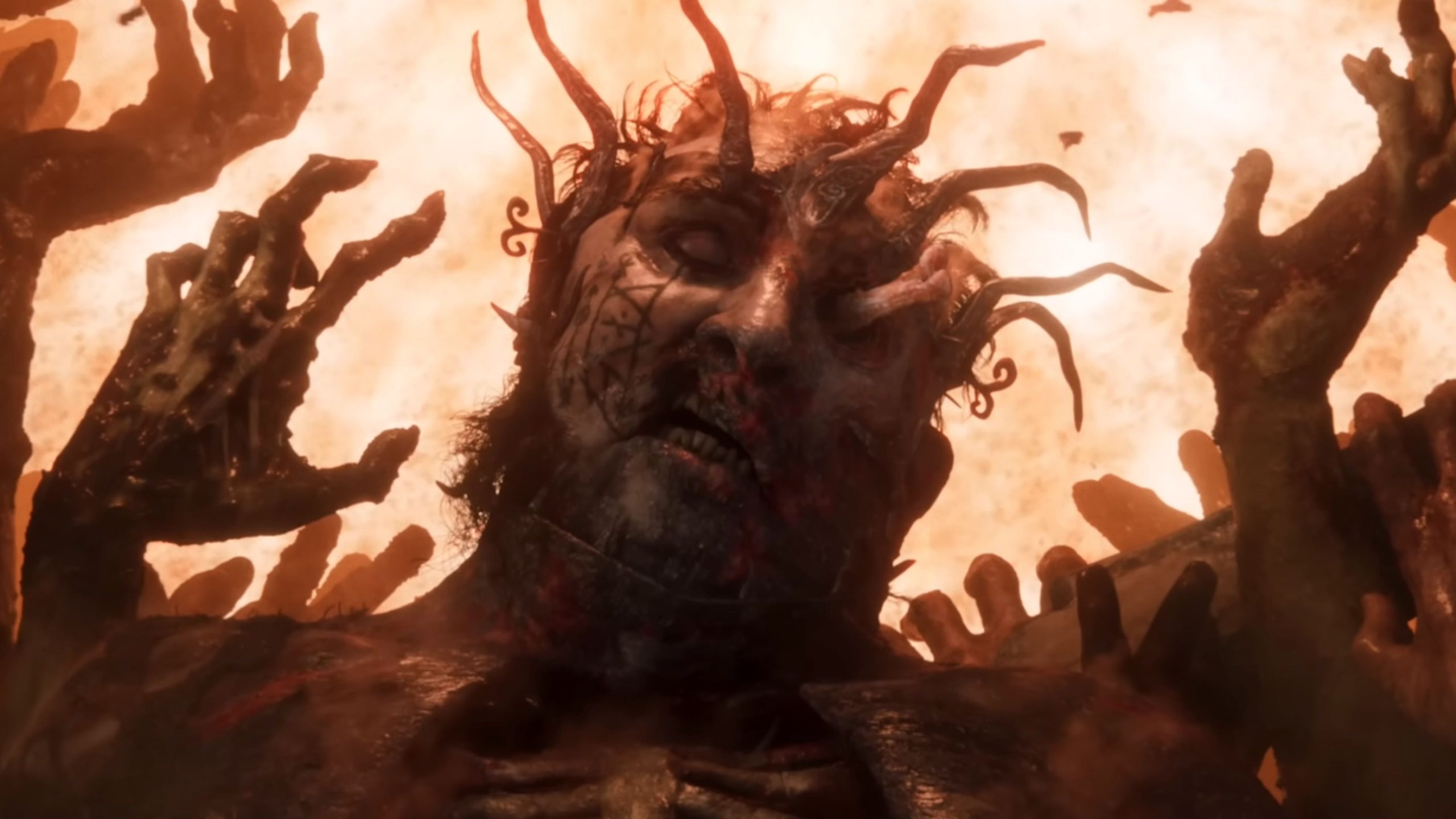
It came as a surprise to many when Larian Studios announced the studio was finished with the Dungeons Dragons license after the overwhelming success of Baldur’s Gate 3.
Larian’s reasons were simple: working on another Dungeons Dragons project would have the studio once again working under Wizards of the Coast and parent company Hasbro, holder of the license. The creatives at Larian opted to pursue something they wholly owned, and Divinity was born.
Larian actually did start work on an additional Dungeons Dragons project, but developers weren’t creatively inspired by the concept.
It can’t have been easy to walk away from the near-guaranteed success of Baldur’s Gate 4, but former Rockstar lead developer Obbe Vermeij expressed his respect for Larian for pursuing its own ambitions (thanks, GamesHub).
Carving One s Own Path
“It’s quite cool to see like Larian Studios who just did Baldur’s Gate 3, and they’ve said, ‘We don’t feel like Baldur’s Gate 4. We’re just gonna do another game,” Vermeij reflected. “Good for them. But it’s a bold move. It’s not obvious. It’s very risky. It’s easier to just keep on doing what you’re doing.”
Vermeij is spot on. We’ve seen many studios wholly focus on its most successful series’ and IPs because there’s a near-guaranteed return on investment associated with continuing a popular series indefinitely. There has been fourteen Assassin’s Creed games for crying out loud.
“We weren’t excited about what we were making back when we were doing the D&D thing.”
Vermeij—who worked on Grand Theft Auto 3, 4 and San Andreas—is no stranger to the compulsion to keep doing what’s working. The lead developer headed up a few projects at Rockstar that never came to fruition, because of how popular Grand Theft Auto was.
Join the newsletter for deeper coverage and analysis of studio strategy, IP choices, and the creative risks behind major games — subscribing gives clearer context and expert perspective on these industry moves.
By subscribing, you agree to receive newsletter and marketing emails, and accept Valnet’s Terms of Use and Privacy Policy. You can unsubscribe anytime.
“The reality is if you have a studio that has one mega successful game, it just doesn’t make sense to do any wild changes,” he said. “Whatever weird ideas you have, we really should put them into GTA rather than just launching an entirely new game.”
Rockstar has a clear rotation of Red Dead Redemption and Grand Theft Auto and the lengthy nature of contemporary triple-A development cycles means this isn’t likely to change in the near future.
We want to hear from you! Share your opinions in the thread below and remember to keep it respectful.
Please respect our community guidelines. No links, inappropriate language, or spam.