
Magic: The Gathering’s Original Art Director Reveals He Had A “No Babes” Rule With Card Art
 CREDIT: Douglas Schuler / Wizards of the Coast
Jack Coleman (He/Him) is a News Editor from Ireland. This is his third full year in games media, having previously worked freelance for various outlets, including DualShockers and NME.
Previously, he’s interviewed breakout indie developers, broken big news stories, reviewed massive releases and recounted his time living as a humble woodsman in Oblivion.
A lifelong gamer, Jack is primarily interested in RPGs and narrative experiences. He’s also been playing League of Legends for a decade, unfortunately.
When Magic: The Gathering was ushered into the world in 1993, gaming (both tabletop and computer) was a different beast. Given how male-dominated these spaces are traditionally, artists and marketers were solely focused on appealing to the male demographic, and that meant games had plenty of voluptuous women in need of saving.
However, Magic: The Gathering was unique in that the trading card game mostly tried to avoid this trope, albeit with a couple of notable exceptions. According to Magic’s original art director, Jesper Myrfors, the lack of widespread ‘in-your-face’ sexualisation is because he instituted a “no babes” rule among the art team of the fledgling TCG (thanks, Wargamer).
To him, this meant no cards that included “artwork that shows a scantily-clad woman in a subservient or weak position.” He explained this position in a Facebook post on January 4, shedding light on Magic: The Gathering’s original art direction.
Magic: The Gathering Has Included Women From The Start
“I really did want Magic to appeal to a broader group than traditional fantasy. My gaming groups had included women for years, I saw the things about gaming that made it less appealing for women first-hand,” Myrfors writes. “I also firmly believe that women have a bigger role in fantasy than window dressing. I made a point of hiring a lot of women artists on the game because I wanted Magic to have its own look, and I figured in a male-dominated industry, the voices that are not as often heard would provide that look easily.”
25 artists worked on Magic: The Gathering’s debut set, and five of them were women. These were Amy Weber, Fay Jones, Julie Baroh, Melissa Benson and Sandra Everingham. While 20 per cent may not seem like a lot, this was an impressive ratio considering how male-dominated the space was at that time.
“I wanted this to be a world that celebrated female empowerment along with male empowerment and not just portray women as damsels who need rescuing,” continues Myrfors.
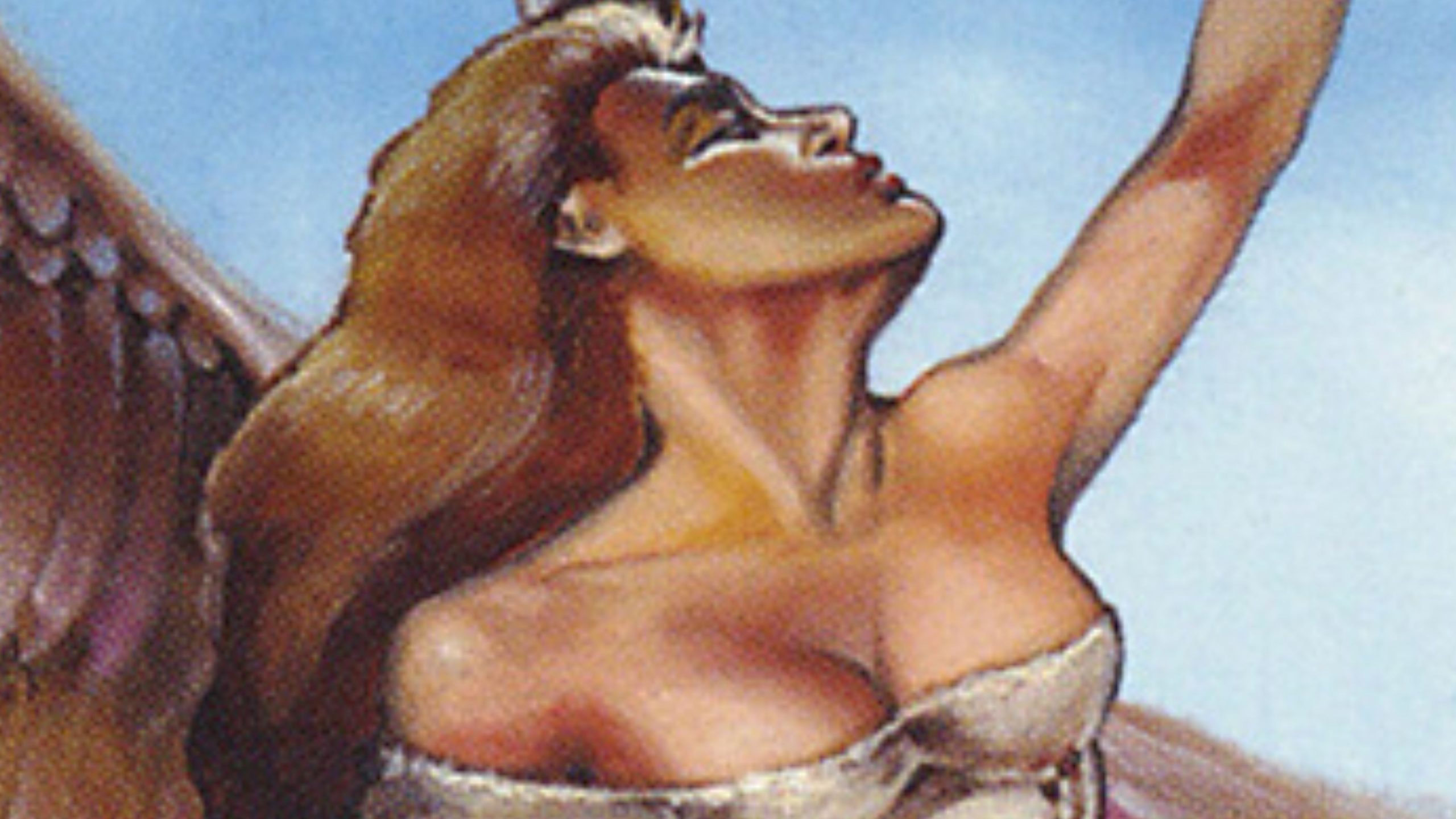
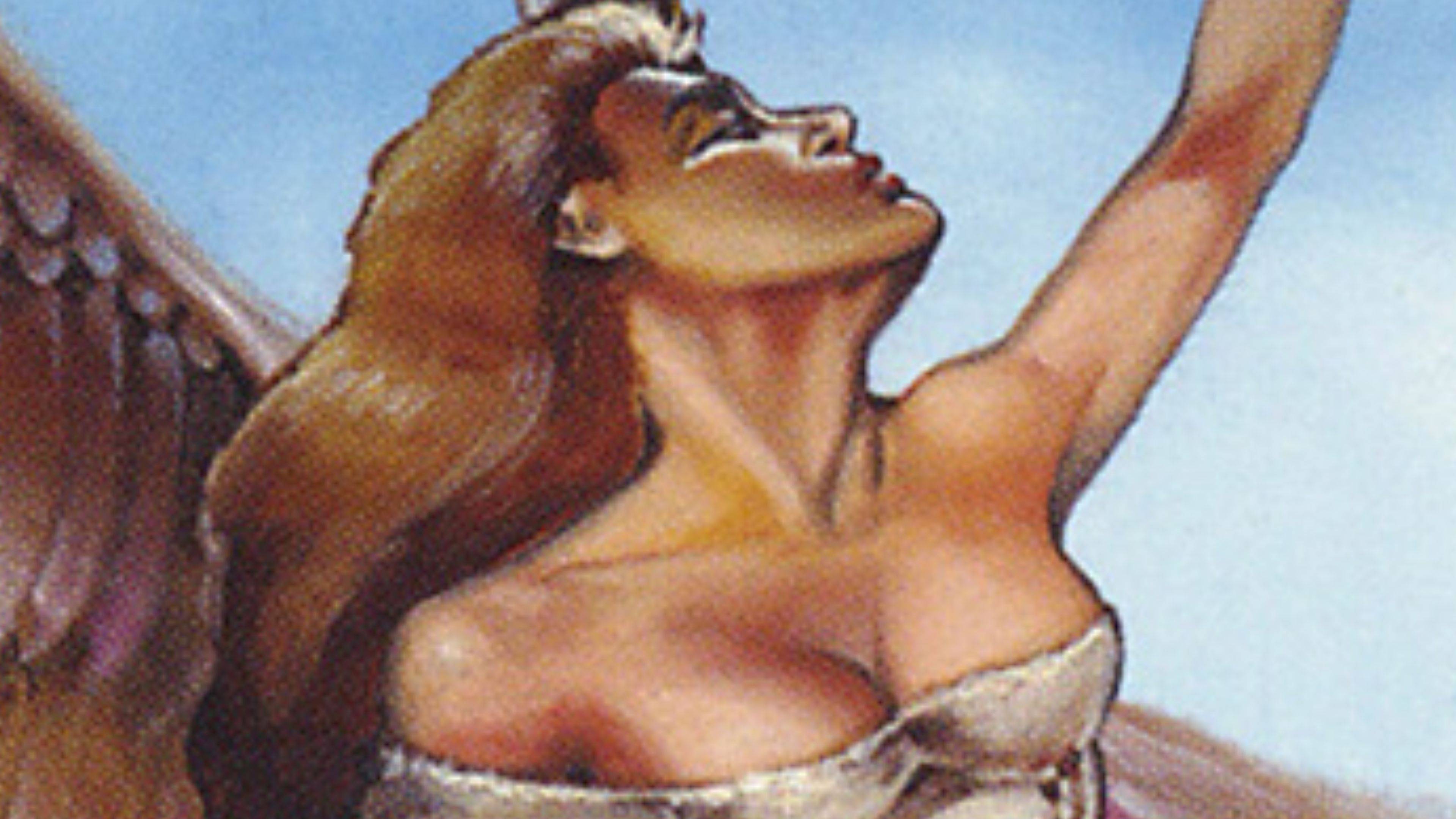
He acknowledges this rule “was not 100 per cent enforced” and points to Earth Bind as an example (the card art depicts a woman restrained by vines in a fashion similar to bondage).
Unpack Magic’s early ‘no babes’ rule and its lasting legacy by subscribing to the newsletter. Expect thoughtful coverage and analysis of Magic: The Gathering art, representation in gaming, and how foundational design decisions shaped the game’s evolution.
By subscribing, you agree to receive newsletter and marketing emails, and accept Valnet’s Terms of Use and Privacy Policy. You can unsubscribe anytime.
“I knew if I created this rule, I would not be flooded with traditional fantasy women kneeling at the feet of powerful men or pulp-era women in danger artwork. Rare exceptions were allowed,” he explains. “… I just did not want that particular subject matter to flood Magic: The Gathering. It had been done to death. It was a stereotype. I wanted Magic: The Gathering to be different, to be a new evolution in traditional fantasy.”
All these years later, Myrfors’ initial attitude towards diversity and inclusion has continued to endure in Magic.
We want to hear from you! Share your opinions in the thread below and remember to keep it respectful.
Please respect our community guidelines. No links, inappropriate language, or spam.